Iran’s Bold New Condition to End the War Could Unlock Billions in Revenue

Iran has introduced a significant new demand as part of its conditions to end the ongoing conflict, drawing global attention. The proposal focuses on gaining greater authority over the strategically crucial Strait of Hormuz, a move that could reshape geopolitical and economic dynamics. This demand reflects Iran’s attempt to use its geographic advantage as leverage in negotiations.
The Strait of Hormuz is one of the world’s most vital maritime routes, carrying a large portion of global oil and gas supplies. Any disruption in this narrow passage has immediate consequences for international markets, often causing spikes in energy prices. Since the conflict escalated, concerns over supply interruptions have intensified across many countries.
Iran’s leadership sees its position along this key shipping lane as a powerful bargaining tool in negotiations. By seeking recognition of control or influence over the strait, Tehran aims to secure long-term economic benefits. Analysts suggest that such authority could allow Iran to impose transit fees, potentially generating billions in annual revenue.
The conflict has already exposed how fragile global supply chains can be when critical routes are threatened. Temporary disruptions in the Strait of Hormuz have forced nations to explore alternative energy sources, often at higher costs. This situation has placed additional pressure on economies that depend heavily on imported oil and gas.
Global oil markets have responded quickly to rising tensions, with prices increasing amid fears of prolonged instability. Investors remain cautious, as uncertainty surrounding the conflict continues to influence financial markets worldwide. Economists warn that a sustained crisis could slow global economic growth significantly.
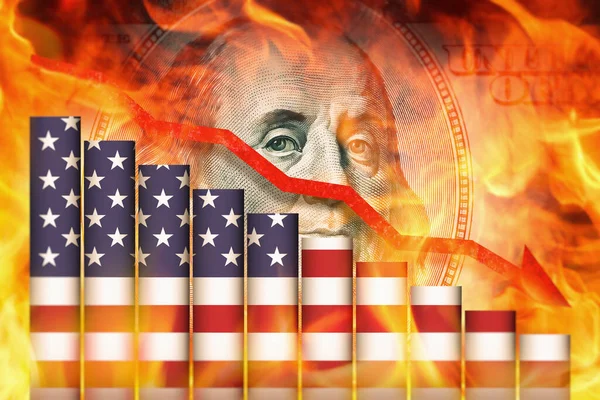
At the same time, the financial cost of the war itself continues to climb for all parties involved. Military operations, logistical support, and economic sanctions have created substantial burdens on national budgets. This reality has increased interest in potential diplomatic solutions that could bring the conflict to an end.
However, Iran’s demand is expected to face strong resistance from the international community. Many countries insist that the Strait of Hormuz must remain open and accessible to all under international law. Granting one nation increased control over such a critical route could raise concerns about fairness and security.
World leaders have repeatedly called for de-escalation and a return to diplomatic negotiations. The ongoing conflict not only threatens regional stability but also disrupts global trade and essential industries. Sectors such as transportation, manufacturing, and energy remain particularly vulnerable to continued tensions.
In conclusion, Iran’s new demand highlights a strategic effort to convert military and geographic influence into economic power. While the proposal could potentially unlock billions in revenue, it also raises complex political and legal challenges. The outcome of this demand may play a crucial role in determining the future of the conflict and its global impact.
What's Your Reaction?